Protection From Malware Can Be Fun For Anyone
Nevertheless, running system updates are necessary. If you put them off, the consequences could be much worse than dissatisfied in-laws. Take, for instance, what took place with the Wannacry ransomware attack, in which more than 200,000 computers were compromised throughout 150 various nations, with total damages that varied in the hundred millions to billions of dollars.
With the mass adoption of wireless innovation in the last decade, our personal check here information is continuously being sent out over public networks ... and it's not always protected in addition to we believe. Our computers connect to files, printers, and the web continuously, and hackers love to take advantage of unguarded web traffic. The truth is, you're playing with fire if your do the following: Insist on using public Wi-Fi without internet browser security Do not utilize a password for your own personal network (and share that details with others) Rely only on WEP router encryption, the weakest there is.
You require a wireless network at house that is WPA or WPA 2 encrypted. Never relay your SSID to others even if you have trustworthy visitors who desire to share the network. Rather, develop a guest SSID and various password for those people. Bottom line: if your network is not secure, you need to utilize a virtual private network.
Fascination About Malware
You require to understand what to search for in a quality VPN and, particularly, Find more information you need to http://www.bbc.co.uk/search?q=malware protection examine and make sure that the VPN you are utilizing is not logging your information, which some VPNs (generally complimentary ones) often do. When it concerns street crime, there are malware analysis tools common-sense principles that automatically keep you safe, such as never traveling alone at night, remaining in well-lit https://www.washingtonpost.com/newssearch/?query=malware protection areas, and so on).
Prevent sites that include pirated material, especially gush sites like The Pirate Bay. These kinds of places are packed with malware. You need to never open an email accessory from someone you do not recognize, which could be part of a phishing rip-off. Here are a couple of suggestions: Scan every file before you download it, even if the file is sent from friend or family.
According to the most recent stats, more than 18 million sites on the web are infected with malware. There are obvious red flags regarding damaged websites, so you should not only right away leave them, however also report them to your antivirus company. Secondly, always ensure that you go to a website with an SSL certificate.
The Facts About Web Security Revealed
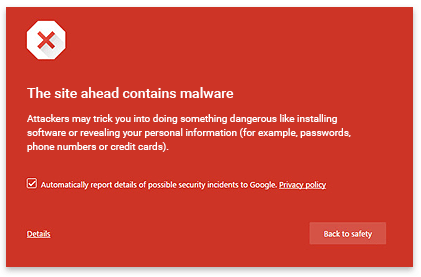
When an internet browser, such as Chrome, alerts you that a website in not safe and secure, do something about it to prevent the entire page from being packed. Harmful sites are frequently hosted in the information centers of inexpensive web hosting service providers, a number of which are host thousands of websites on a single shared server with little to no quality assurance.
It is getting significantly tough to handle all of your individual info online. Why is this? Shouldn't advances in encryption innovation and standards make us more safe, not less? The reality is, all companies today are "internet" business. They keep your all data in digital type-- your house address, social security numbers, usernames, passwords, and deal history.
And though file encryption is stronger today than ever before, so too is the worth of your digital secrets. One little hack can release the personal info of thousands or countless users. Which's not even starting with message boards and social networks profiles where hackers can social engineer individual information.

The Buzz on Protecting Website From Malware
A recent report by Panda Security demonstrates how stronger encryption standards could make it much easier for some forms of malware to contaminate your computer. Numerous online businesses have policies for GDPR compliance, but they might inadvertently develop a backdoor for brand-new types of encrypted malware. In summary, there are not nearly sufficient preventive methods you can require to prevent identity theft.
Cybercriminals are regularly adjusting and presenting brand-new malware. Malvertising, for instance, is just one example of malware. In addition to remaining upgraded with all your programs and operating system, also eliminate any software you no longer use. Out-of-date programs no longer have spots (updates/fixes) and leave you susceptible to attacks.
government examining our shoulders, security companies are in fact helping. In fact, there's a branch of Homeland Security called the Cyber Security Division. The analyze all kinds of hazards, both private and public, and routinely upgrade Malware is very widespread, yet it is possible to avoid.

Protection From Malware Can Be Fun For Everyone
To recap, here's how to secure yourself from malware: Constantly utilized a relied on antivirus program from a reliable service provider. Run scans frequently. Constantly upgrade your operating systems and software. Use security networks, proxies, and/or VPN's whenever possible. Don't click everything you see (a website or e-mail link). Secure your usernames and password as if your financial future depends on it.
When you take these basic precautions, you will vastly enhance https://www.siteguarding.com/en/prices your http://query.nytimes.com/search/sitesearch/?action=click&contentCollection®ion=TopBar&WT.nav=searchWidget&module=SearchSubmit&pgtype=Homepage#/malware protection security and ensure that your computer runs as quick as it should. .
Post Views: 436 Nearly every website owner or web designer had to deal with site viruses eventually. But although there is a great deal of info about malware online, we regretfully tend to forget securing our sites from them. As you might understand, infections are kinds of destructive codes that permeate into your site and interrupt its' normal performance.
Rumored Buzz on Web Security
For the many part site owners are not aware that their site was contaminated, and typically they will not take proactive steps prior to they see visible indications of a hacked site. Every website owner ought to understand the root of the problem-- site vulnerabilities are the cause and infections are the symptoms.
If your website was infected, getting rid of the viruses is not enough. You should understand how a hacker managed to inject the virus. You need to check your site for vulnerabilities and fix them. If the only thing your do is cleaning up the site, you are risking of being reinfected.
The very best way in setting about it is putting in a "Defense" paragraph in your strategy before you even start producing your site. Simply as you will surly set up an alarm on your house or store, so why do you disregard securing your virtual one?Why do we safeguard our computers Protecting Website From Malware from viruses with anti-virus software application and firewall programs, setting up alarm systems on our physical offices, however we disregard to protect our web resource?Often it's due to a popular misunderstanding-- that our host is accountable for the defense of our website.
Some Known Incorrect Statements About Web Security
Its' function is to supply you with a physical place where your web resource will exist, much like a hotel. And like a hotel that it is, again for the most part, is not accountable for your stolen home, a host is not responsible for the security of your site.