Get This Report about Digitalization Of 8mm Film
Some makers made cameras with special magazines that could be pre-loaded with 8 mm spindles. The Straight Eight format, took pleasure in the majority of its small share of popularity in Europe. Kodak did ultimately introduced a Straight 8 magazine-loading system, but it was never as popular and was rapidly stopped. Ultra Pan 8Introduced in 2011, the Ultra Pan 8 format uses Standard 8 movie in a modified cam.
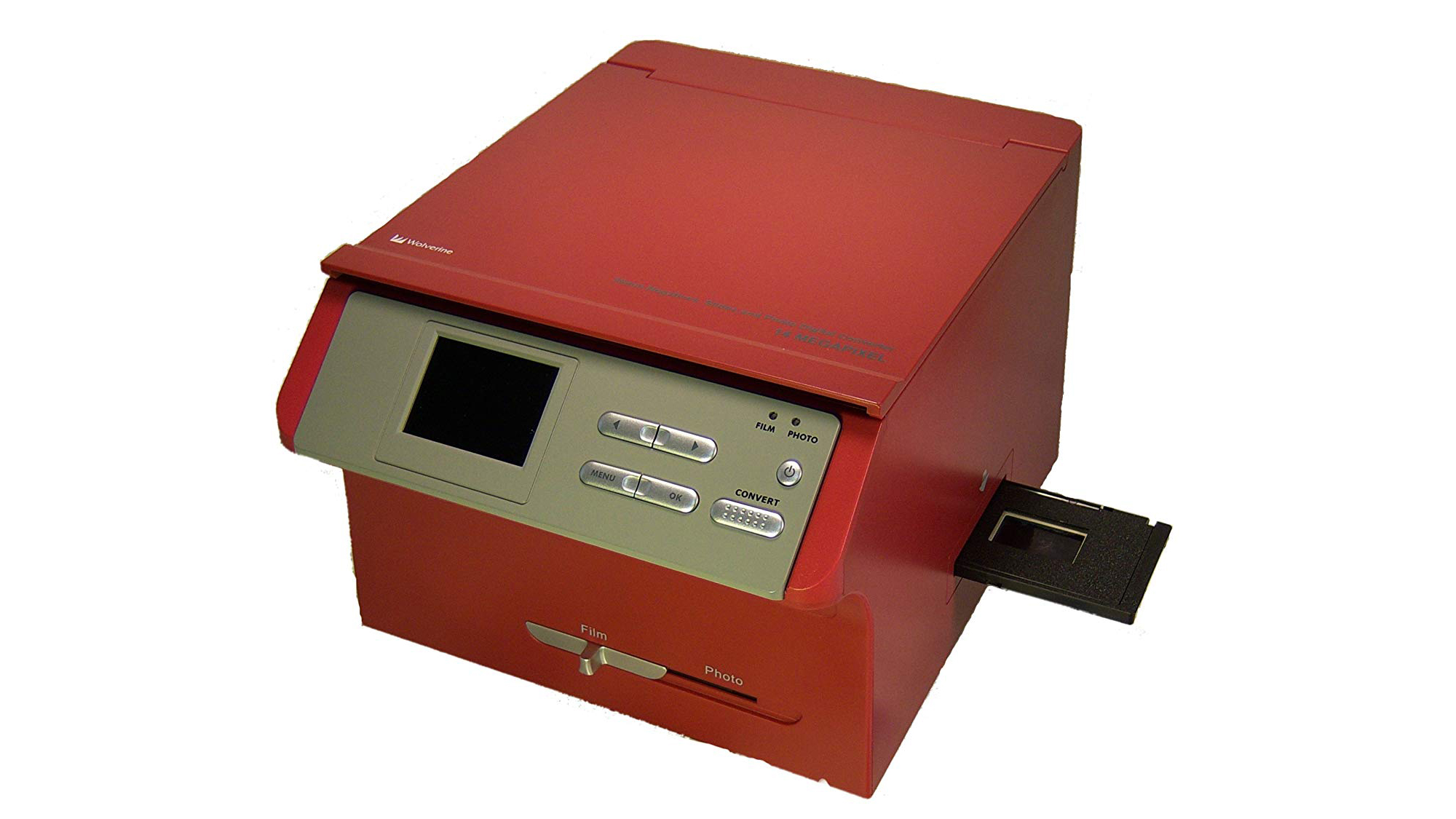
Video 8, Digital 8, Hi 8Don't be confused. There is 8mm referring to projector film, and there is 8mm describing video film. When it pertains to 8mm movie, whether on a spindle (8mm, Requirement 8, Routine 8, Double 8) or in a cartridge (Super 8, Single 8, Ultra Pan 8), the end item always needs a projector.
8mm movie must be processed prior to it can be seen. 8mm video film, as used in camcorders, is never removed from its cartridge and provides immediate playback, whether on the camcorder itself, or on a TV by way of video playback or a VCR. Don't w 8 til it's too l 8! Sorry, couldn't withstand.

If you have a collection of 8mm films, it likely has some years under its belt. Except for independent artists and enthusiasts who utilize the old cameras and movie for an intended feel and look, nobody is using the old equipment or movie as a way of capturing household memories.
More About 8mm Film
However, what you are sitting on is gold, if you can transfer it safely to the modern age of digital. Movie strips were not developed to last forever. Even Hollywood has actually found that out the tough way - movies can be lost forever without ever leaving their original can. That's where our engineers at Legacybox can step in and make that shift a whole lot simpler for your household tradition.
We will speak with you throughout the entire process. Your movies will come back to you alive and well, and on formats (thumb drive, digital delivery through Legacybox Cloud ™ or DVD) you can show and share anytime, anywhere. Pull those household memories out of deep storage and conserve them from time today.
Google Photos needs Google account and web connection. 2019 Google LLC. All rights booked. Google Photos is a trademark of Google LLC.
If you are a keeper of family treasures, you likely have more than a few metal cylinders filled with 8mm house films. They might have labels like "Vacation 66" or "Danny's 8th Birthday". Those movies are filled with clips that can transfer you - to birthdays, reunions or just every day life minutes from the past.
Little Known Facts About Diy 8mm Film Transfers.
Therefore transforming your 8mm film to digital is a project that you ought to deal with at the earliest. It's helpful to comprehend more about the 8mm format and the history of movie transfers prior to you embark on a project like this. When we speak about 8mm film, we are discussing the movie stock that was extensively popular beginning in the mid-20th century, among home professional photographers and amateur filmmakers.
However, this was an expensive format and not a feasible option for the home motion picture market. And so in 1932, Kodak brought out the more economical 8mm film format. It showed to be a business hit in the decades that followed. Kodak finally terminated the format in the early 1990s.
Household events such as wedding events, anniversaries, birthday celebrations, and reunions were tape-recorded on thousands of frames wound around a spindle. These spools of movie were kept in round metal containers waiting to be displayed by the house motion picture projector. If you are a family historian or simply enjoy old films, these 8mm work of arts require to be maintained for future generations.
Hollywood pioneered numerous of the approaches still in use today. Here are a few of these: The Film Chain Transfer In the 1960s, Hollywood required to transform movies that were decades old into more recent formats so that they might be revealed on tv and re-screened in motion picture theatres. The most typical technique for doing this became referred to as the film chain transfer.
Transferring 8mm Film To Digital for Dummies
A separate motion picture video camera captures the images and imprints them on the brand-new film stock. Regrettably, there are particular important disadvantages to this approach. A flickering appears on the brand-new movie image due to the shutter utilized by the projector to move the old movie forward. This approach likewise makes it difficult to change color and lighting while transferring the film.
The Flying Area Scanner With the downsides of the movie chain transfer method, Hollywood began trying to find new choices. The most popular one was the flying spot scanner. Instead of counting on a sprocket chain and shutters, the flying area scanner technique utilized a capstan to move the film forward and backwards.
This technique likewise brought in computer system processing that enabled modifications for lighting and color correction as the movie was being transferred. It http://query.nytimes.com/search/sitesearch/?action=click&contentCollection®ion=TopBar&WT.nav=searchWidget&module=SearchSubmit&pgtype=Homepage#/slides to digital offered a more consistent want to the last item. The Digital Revolution By the late 1980s to the early 1990s, the digital revolution had actually started. Hollywood was progressively using digital electronic cameras to catch film images.
Scanners became digital. The last piece to the puzzle was the introduction of the https://www.washingtonpost.com/newssearch/?query=slides to digital DVD gamer to the consumer market in 1994. At initially, old 8mm films were moved to digital formats using interlacing. Video interlacing combines 2 images into a single one by rotating lines from each one. This helped improve the image when seen on tube televisions and was a distinct enhancement over the old movie projectors.
8mm Film Digitalization Fundamentals Explained
Today, protecting old 8mm films to digital is frequently carried out in High Definition (HD) format. This format provides you one frame of DVD for each frame of film scanned. This leads to much better quality pictures and higher resolutions than with scans created utilizing interlacing. Today, the innovation for transferring 8mm movie to DVD depends on the techniques established by Hollywood in the previous half-century.
If you have a film projector and a camera for capturing the images, you can attempt this technique on your own. Nevertheless, you may discover the results are not of the quality your house movies deserve. A much better option is to have the professionals do http://dallastrfq032.theburnward.com/5-bad-habits-that-people-in-the-8mm-film-australia-industry-need-to-quit the transfer for you. They have the equipment and the know-how to draw out the best out of your 8mm movies.
However, not all expert services can provide such outcomes. Some specialists still utilize the flying spot scanner method for moving 8mm to digital format. While this technique avoids the flickering issue, the images might be interlaced and this can show up when you show it on a hd television or computer system.
Always opt for a company that transfers in HD or much better quality. This will guarantee you get the remarkable results allowed by frame for frame recreation. Other factors to consider for your 8mm film scanning job Here are a couple of other information to help you get the very best images possible from your 8mm stock: Some business will crop the image and only catch the within two-thirds of the frame.