The Facts About Website Malware Protection Revealed
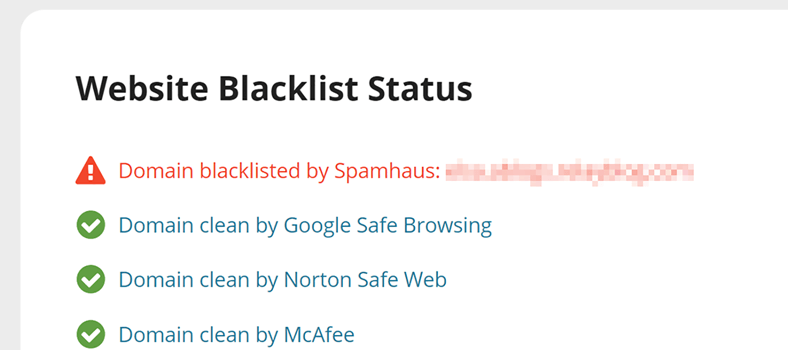
There are three main methods hackers can use said vulnerabilities: Backdoors and web-shells upload Implantation of the virus into the base-- какую базу? Addition or removal of administrators, theft of access to the administrator's panel As a result, we will have viruses on the website. And those infections may be the reason that the site is blacklisted by Google.
But nearly every complimentary copy of a style or a design template will contain a web-shell, backdoor, malicious script or any other "present" that a hacker left there. If you are not experienced enough to clean the free design template or plugin, the wise thing is to avoid them. Trust us, website cleanup and repair work will cost far more than a brand-new style.
Protecting Website From Malware - Truths
This type of hacking is called brute-force attack. In this case, a hacker attempts various password mixes to guess the correct password. This method is a substantial risk to weak and unreliable passwords. When the system asks a user to create a password, most users tends to develop unimportant mixes.
We all have accounts in social networks., and you might not keep in mind that you have actually published an image with your pet dog and it's name in the description. That's why brute-forcing might be the easiest way to hack the website. As Trustwave's research study has revealed, more that a quarter of incidents associated with security of the site occurred because of weak passwords.
Fascination About Web Security
mediocre. The most popular password was "Password 1". Obviously, users were much more anxious about their comfort instead of the security of their website. Dealing with gain access to over an unsecure channel is a bad concept. While linked through FTP, your login and password are shown that way burglars can take this data easily.
One of the reasons viruses appeared on the website is server or hosting hack. Here are 2 primary things that can result in such a problem: "Handmade" hostings. There are a lot of hostings in the Internet that use their services. And amongst them you can satisfy so called "handmade" hostings.
Getting The Website Malware Protection To Work
Typically, those owners do not have experience and have no concept how to supervise their hosting safely. They do not appreciate software updates, producing backups of the hosted sites. They don't really appreciate websites that use their cervices. That's why such hostings become simple victim for hackers. Thieves can hack the sites easily.
The only option is switching to a various hosting company. Sites are hosted unsafely. You should comprehend that if you place a number of websites on one hosting account, contaminated website will infect the remainder of the websotes. In this case you will require to scan and repair all of the websites rather of dealing only the hacked one.
Excitement About Protecting Website From Malware
In some cases specialists may leave some code in your site while working on it to have access to it in future. Then they can utilize your site to make additional cash with the assistance of such services as Trustlink, Mainlink, Sape and so on. Every experienced professional knows that there is no sure-fire choice that will protect your site permanently.
Cobweb group will clear, fix and safeguard your site from hacker attacks, and with the CWIS anti-viruses you can be sure that you will not end up being a victim.
Unknown Facts About Protecting Website From Malware
If your website has actually been contaminated with destructive content, you need to clean your site files as quickly as possible to prevent more damage to your hosting account. First of all, it is advised to entirely disable your website and permit gain access to only from your own IP addresses while cleaning up. This method you will quarantine your site, so that hackers will not have the ability to reach it.
In addition, search engines (Google, MSN, and so on) may likewise end up blocking your website. The simplest way to quarantine your website is to modify your.htaccess file and enable gain access to only from your own IP address. Use the following two lines (they work on Apache based servers): reject from allallow from IP_ADDRESS Replace IP_ADDRESS with your own IP address.
Things about Protecting Website From Malware
Taking your website offline throughout the recovery will not impact your future search engine rankings. To start the clean-up, download all of your website files to your regional computer system by means of Antivirus software application. Once the scan is finished you need to receive a list of the suspicious files that you require to examine.
Below is an example excerpt of malicious code:|=| You can carry out comparable performance on your Word Press site as well. You will need to set up and activate the Non-active Logout plugin. Upon activation, see Settings" Inactive Logout page to configure plugin settings. Simply set the time duration and add a logout message. Don't forget to click the conserve modifications button to store your settings.
Little Known Facts About Malware.
You can include security concerns by installing the WP Security Questions plugin. Upon activation, you require to visit Settings" Security Concerns page to configure the plugin settings. For more detailed guidelines, see our tutorial on how to include security concerns to Word Press login screen. [https://get.menterprise.io">Back to Top ↑] If you have a Word Press security plugin set up, then those plugins will routinely look for malware and signs of security breaches.
Running these online scans is rather easy, you just enter your site URLs and their spiders go through your site to search for known malware and destructive code. Now keep in mind that the majority of Word Press security scanners can just scan your website. They can not remove the malware or clean a hacked Word Press site.
Some Ideas on Website Malware Protection You Need To Know
[https://get.menterprise.io">Back to Leading ↑] Many Word Press users don't realize the value of backups and website security till their site is hacked. Tidying up a Word Press website can be extremely challenging and time consuming. Our very first recommendations would be to let a professional take care of it. Hackers set up backdoors on impacted sites, and if these backdoors are not fixed appropriately, then your website will likely get hacked again.
It will likewise safeguard you versus any future attacks. For the adventurous and Do It Yourself users, we have actually put together a step by action guide on repairing a hacked Word Press site. [https://get.menterprise.io">Back to Top ↑] That's all, we hope this short article assisted you find out the leading Word Press security best practices along with discover the very best Word Press security plugins for your site.
The Greatest Guide To Protection From Malware
Word Press is a robust blogging and CMS platform powering over 70 million sites-- from single blog sites to large corporate websites. Nevertheless, with growing popularity comes growing troubles. Web-based destructive attacks have increased by 81% in 2010-2011 and considering that Word Press is a popular platform it gets its fair share http://www.thefreedictionary.com/protect your webiste from malware of attacks.

As a user of Word Press, how do you protect your website against these exploits?Here are few steps to get to begun: I suggest using a premium backup solution who will take protected and routine backups of your site, and likewise gives you the alternative to switch hosts (migrate) effectively and in a matter of minutes if your site gets compromised.
Unknown Facts About Web Security
A website is more than just the face of your organisation. It's the throbbing heart of your organization. It's the location where people access your services-- frequently supplying delicate information, consisting of Credit Cards. Many services can ill pay for a major breach of their info. Clearly, getting your website hacked can pose a substantial risk to your business.
But the financial hardships don't end there. The loss of future https://en.wikipedia.org/wiki/?search=protect your webiste from malware organisation is a real potential. Individuals talk, especially if they get hacked. Even the rumor of being hacked can ruin an organisation. Even for companies that don't use their website as a portal gateway, when you get hacked your own personal info is most likely taken, as is anything you save on the infected computer system, anything on your servers, and anything on other computers that accessed your website.
Some Known Facts About Website Malware Protection.
Or, for that matter, the contaminated computer ever understood. Finally, any site that gets hacked requirements to be scrubbed and examined for other breaches or prospective weak points. If a website owner is an accomplished tech wiz, then they can clean up their website themselves. But for everybody else, it suggests you require to hire IT gals and guys to scrub everything.
That's hardly brand-new details though and probably the majority of website owners know the danger. Today, we desire to go over some useful actions said owners can require to guarantee that their website is secure, both from Malware and straight-out Viruses. And no, we won't have a section on making a more protected password.
The Main Principles Of Protection From Malware
Remember that the most typical concern is just not being conscious of what you're doing online. A website might be locked down like Fort Knox, but if a website owner clicks on a suspicious link or popup, or opens accessories in an email, their computer system is infected. The next time they access their site, it's jeopardized.
Even worse, you do not even have to open an attachment. Hackers focus on tricking the uninformed, as we saw with the hack of the DNC and John Podesta's account. So for God's sake, don't click on things that randomly turn up, don't open email accessories from unverified sources, don't follow shady looking links, and never, ever, trust an email that asks you to follow a link to alter your password if you haven't asked for it.
The Single Strategy To Use For Malware
This is not a bad concept, however go to the website yourself, don't follow a link sent to you. The greatest takeaway is to not connect with anything from an unidentified source. That, plus trust the gut: if something appears suspicious, just stop tinkering it. Among the most typical concerns we get when establishing a website is whether a customer ought to choose a platform like Word Press, or develop a Material Management System from the ground up.
For numerous business owners, a customized CMS is cost prohibitive (though it doesn't need to be); plus platforms like Word Press or Magento assistance business increase rapidly. But one of the greatest downsides to a CMS platform is that its code is open to most individuals, including hackers. Often, hackers will find something that will allow them to make use of any website using a platform.
Some Known Facts About Malware.
We aren't stating entrepreneur need to avoid using a CMS platform. What it does imply that sites utilizing Word Press or similar alternatives require to stay up to date with patches and updates. Typically these are to correct issues that might be exploited. The other benefit to a CMS platform when it comes to security is that actually countless websites are also testing out the code.
Furthermore, websites built off a Get more information platform constantly provide really robust plugins to improve a website's security. You should likewise consider other 3rd party choices. There are lots of services that a site owner can utilize (whether they use a CMS platform or developed their site from scratch), consisting of any number of outstanding security plugins used by Web platforms.